What the Listings Miss
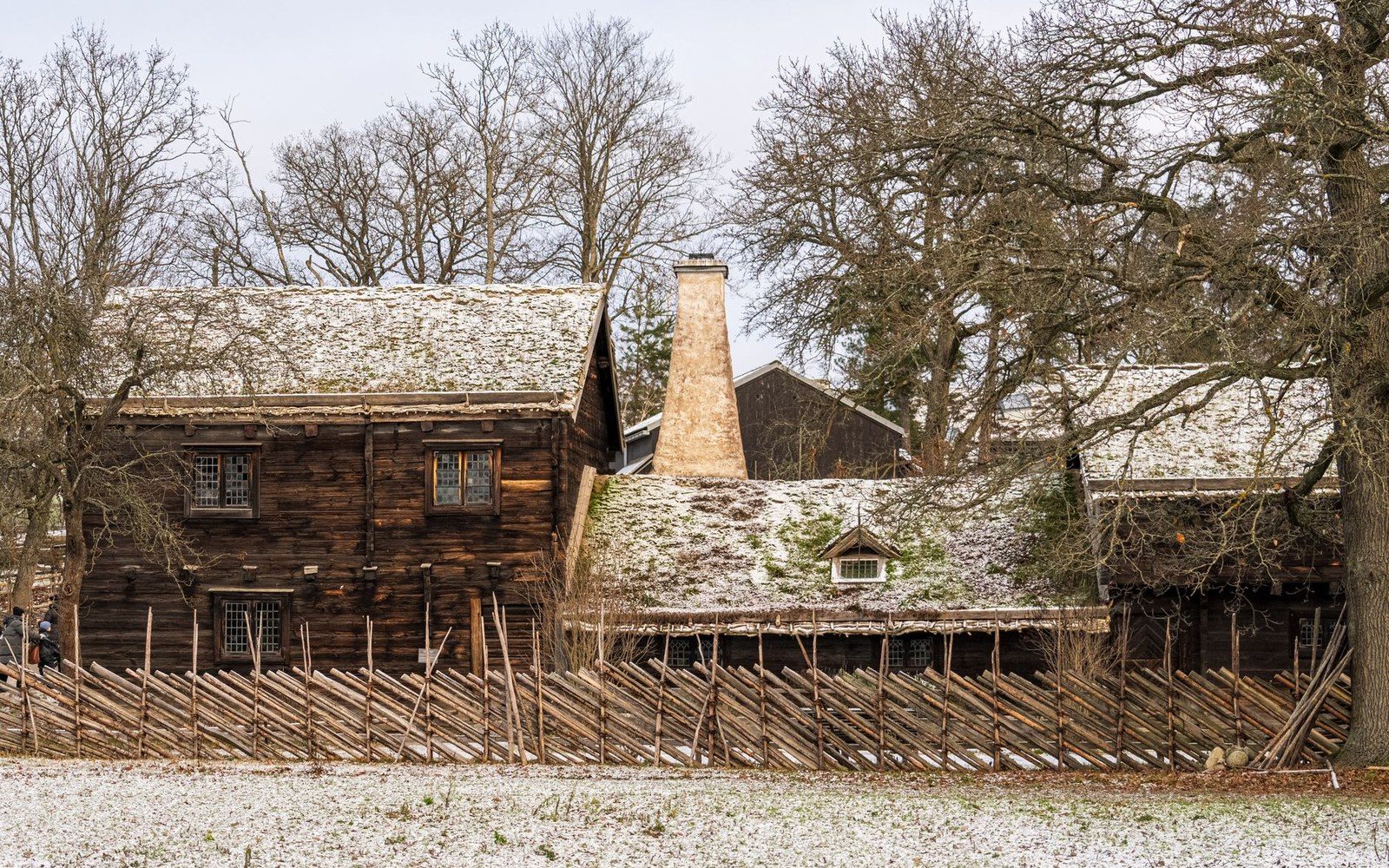
Two UNESCO World Heritage inscriptions cover wooden religious architecture in the Polish–Carpathian zone: the Wooden Churches of Southern Małopolska and the Wooden Tserkvas of the Carpathian Region. Neither reaches Podlaskie. The log farmhouses, granaries, and roadside chapels of the Białystok plain sit in a gap that no international designation has closed, protected — where they are protected at all — only by national and voivodeship-level listing, which carries neither the profile nor the funding of a World Heritage instrument.
The pressure on these buildings is not new. Unheated shingle roofs accumulate moisture; sill rot — decay of the lowest log at ground level, the most common point of structural failure in timber walls — spreads inward before an untrained eye notices it. The synagogue at Zabłudów was lost in a different way: it was burned by the German occupiers in 1941, and nothing of it remained. The buildings standing now in the villages east and southeast of Białystok are not in a different structural situation.

What the Białystok Village Museum Holds
The Białystok Village Museum — properly the Museum of the Białystok Village — has responded to this by removing buildings from the field before they collapse. Its open-air collection, assembled through translocation from original sites across the Podlaskie voivodeship, now includes log residential and farm structures that would otherwise be gone. Translocation saves the object and loses the context: the building survives, but its relation to the land, the property boundary, and the community that shaped it does not travel with it.
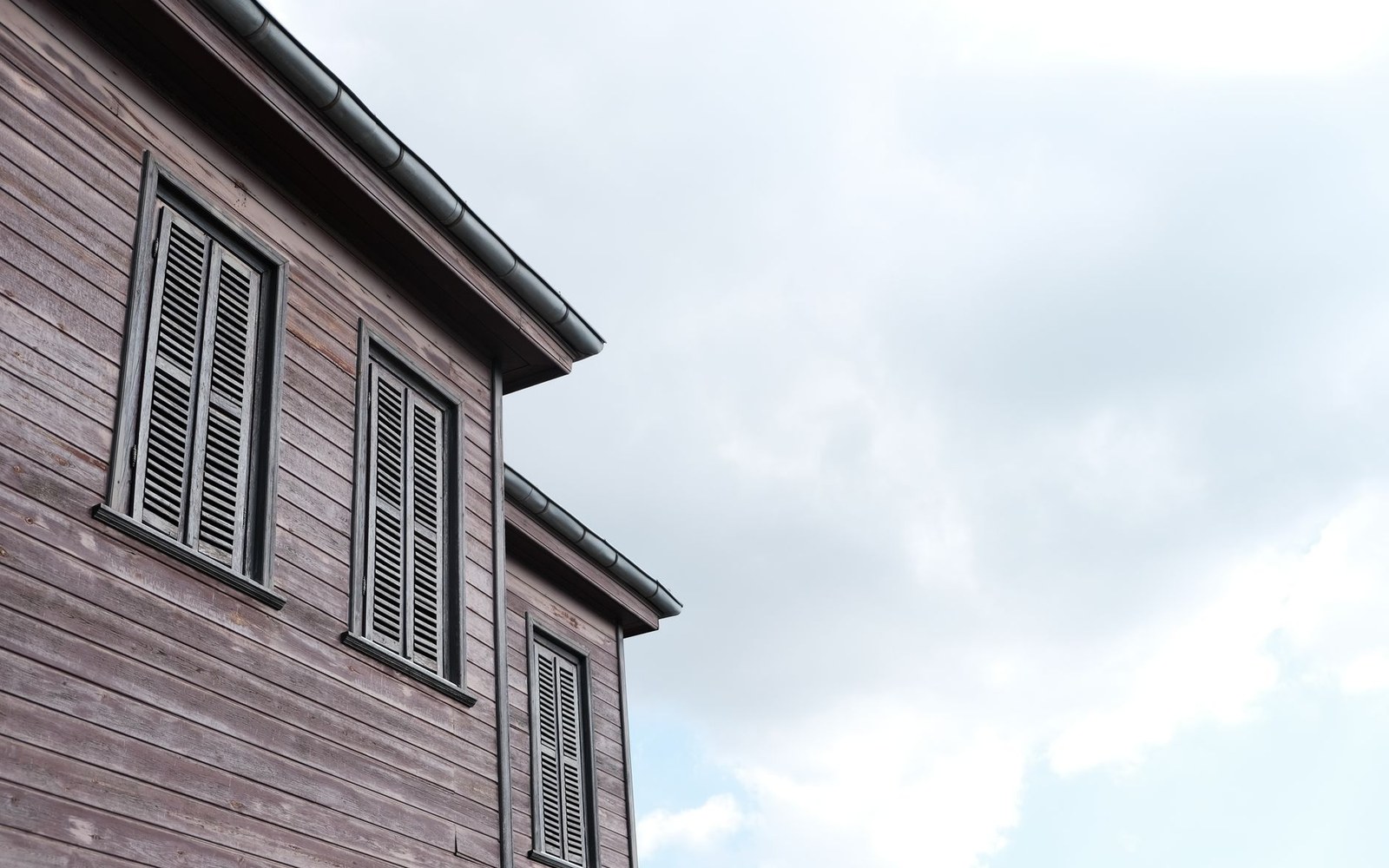
What remains in situ — the structures not yet designated, not yet removed — has no institutional advocate comparable to the Museum of Folk Architecture in Sanok, which has pursued a documented translocation programme since 1958. The timber vernacular of Podlaskie is a coherent regional tradition, distinguishable by its log construction methods, carved window surrounds, and board-gabled elevations, but coherence is not protection. Buildings in private ownership with no listing status and no accessible conservation budget face the same maintenance logic that ends timber buildings everywhere: the cost of repair eventually exceeds the perceived value of the structure, and the structure goes.
The gap the UNESCO inscriptions leave is real, and it is widening every decade that passes without a coordinated regional inventory and condition survey.