Two Buildings, One Street
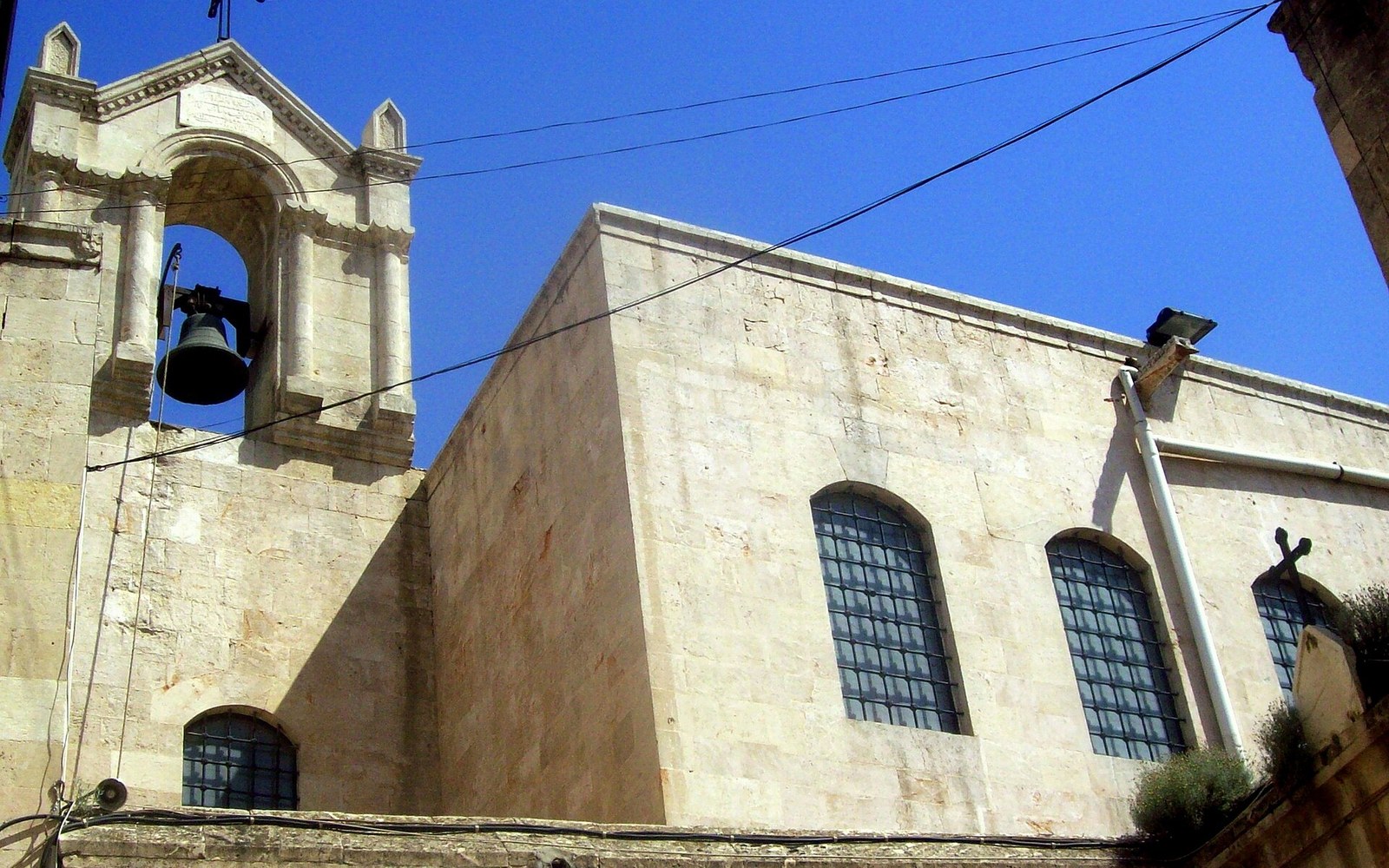
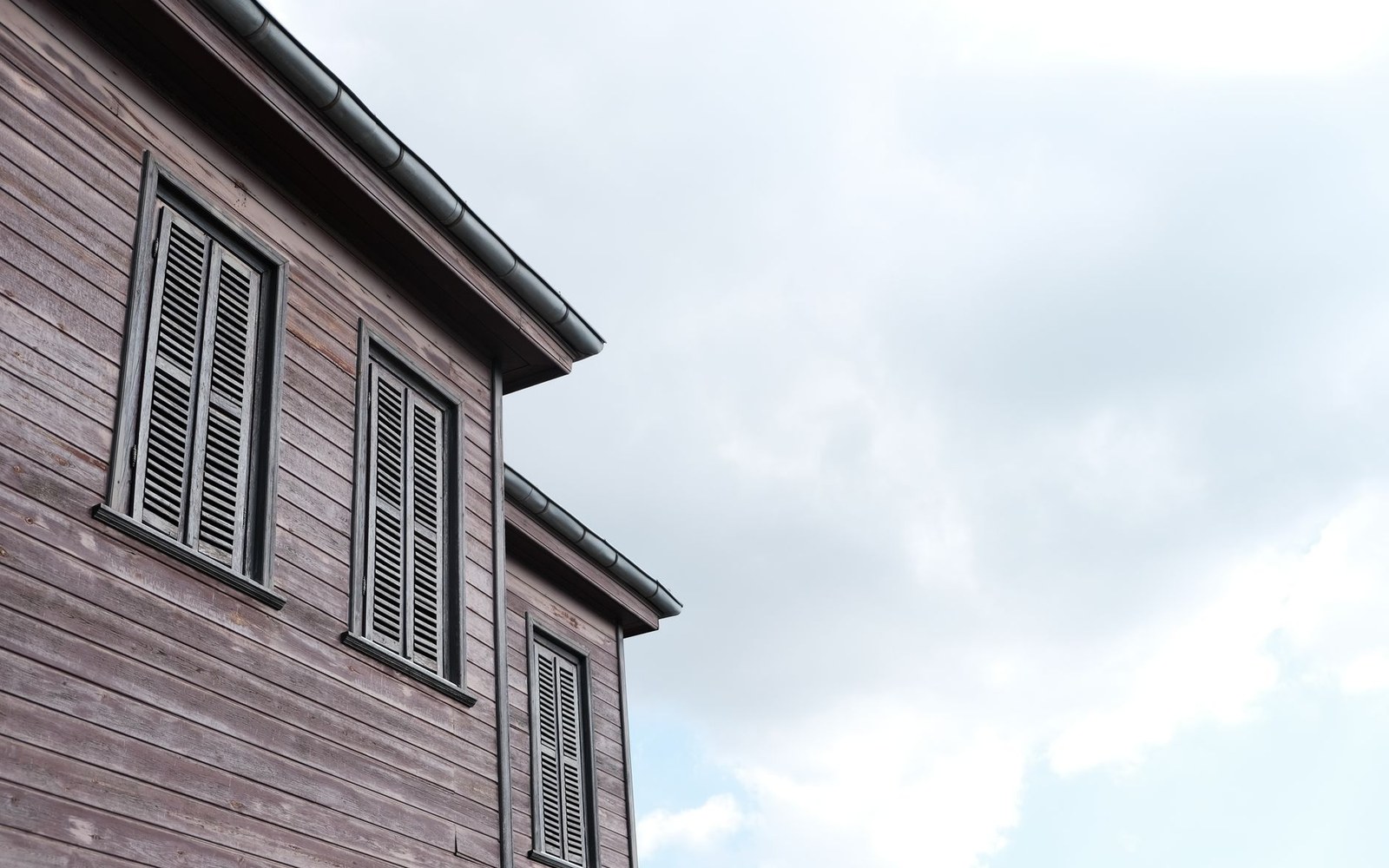
Zabłudów retains two active places of Christian worship standing within close distance of each other on the town's central axis. The Orthodox Church of the Dormition of the Mother of God is a timber structure; the Roman Catholic parish church of Saints Peter and Paul is masonry. Together they document the layered denominational geography of a town that was, across several centuries, simultaneously Polish Catholic, Eastern Orthodox, Uniate, and Jewish.
The Dormition church reflects the timber vernacular of Podlaskie — log-wall construction under a shingle roof, with the massed, tiered silhouette common to Orthodox and Uniate building in this region. Podlaskie's position on the historical boundary between Roman and Byzantine rite produced a building stock that draws from both traditions without fully belonging to either. The church's form is closer to the tserkva (the timber Orthodox or Greek Catholic church of the Carpathian and eastern borderland regions) than to the Catholic parish churches of central Poland, though it remains its own local variant.
The Catholic parish of Saints Peter and Paul represents a different constructional tradition: brick and render rather than log, its proportions and detailing oriented toward the Baroque church typology that spread through the Polish–Lithuanian Commonwealth from the seventeenth century onward. The two buildings thus record not only two confessions but two building cultures operating side by side in the same small market town.
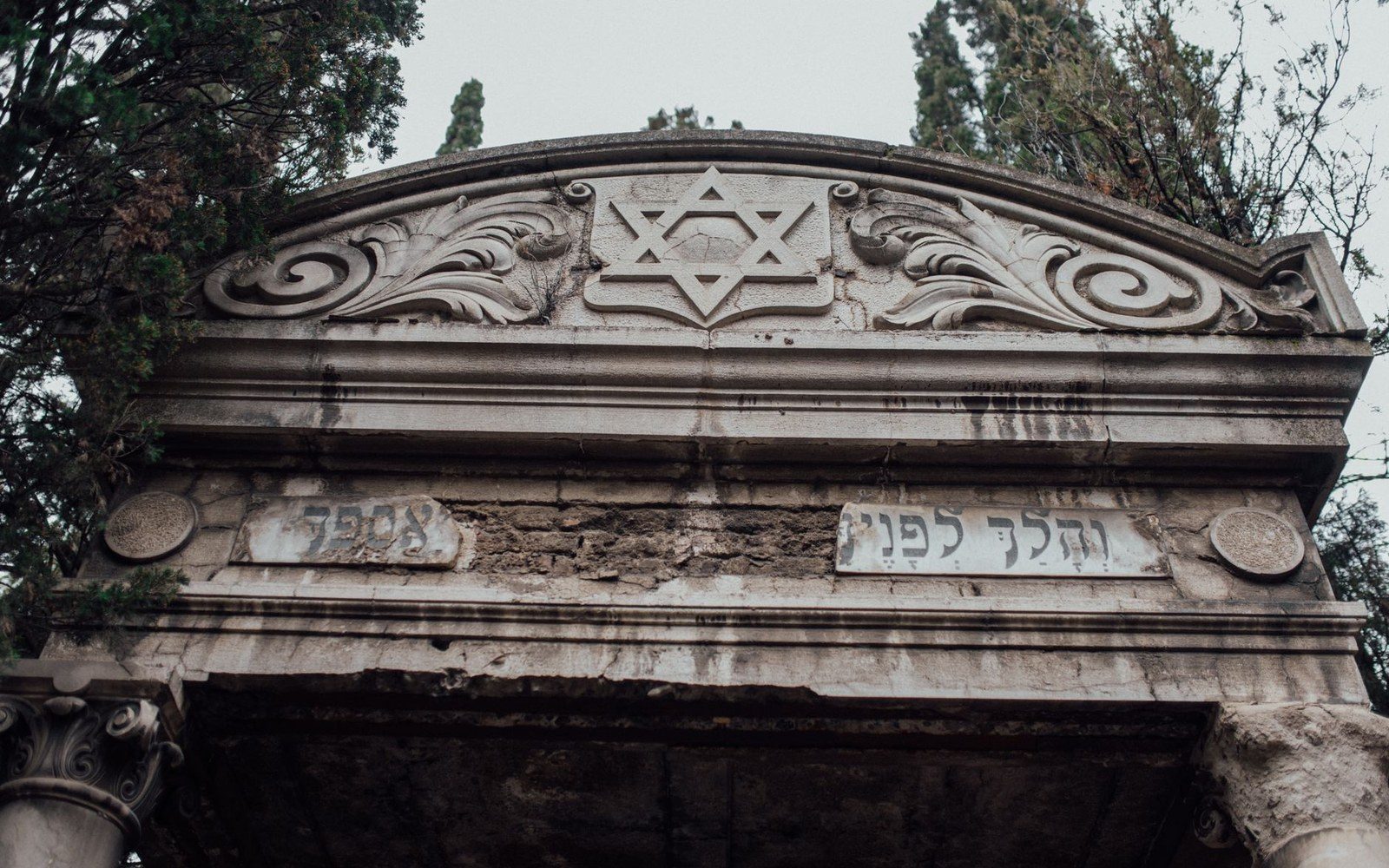
Neither building is listed on the UNESCO World Heritage register, which covers the wooden churches of southern Małopolska and the Carpathian tserkvas but has not extended to the timber religious architecture of Podlaskie. Both remain in active parish use. Their survival into the present is itself an architectural fact worth noting: of the three major religious buildings that once defined Zabłudów's centre, the synagogue — the largest and most elaborately decorated — is the one that no longer stands.