The City at the Centre
Białystok sits twenty kilometres northwest of Zabłudów and functions as the administrative and cultural capital of Podlaskie voivodeship. Its most prominent monument is the Branicki Palace, an eighteenth-century aristocratic residence rebuilt after wartime destruction and now housing the Medical University of Białystok. The palace's formal French garden survives largely intact and gives some sense of the baroque ambition that the Branicki family brought to what was then a provincial seat.
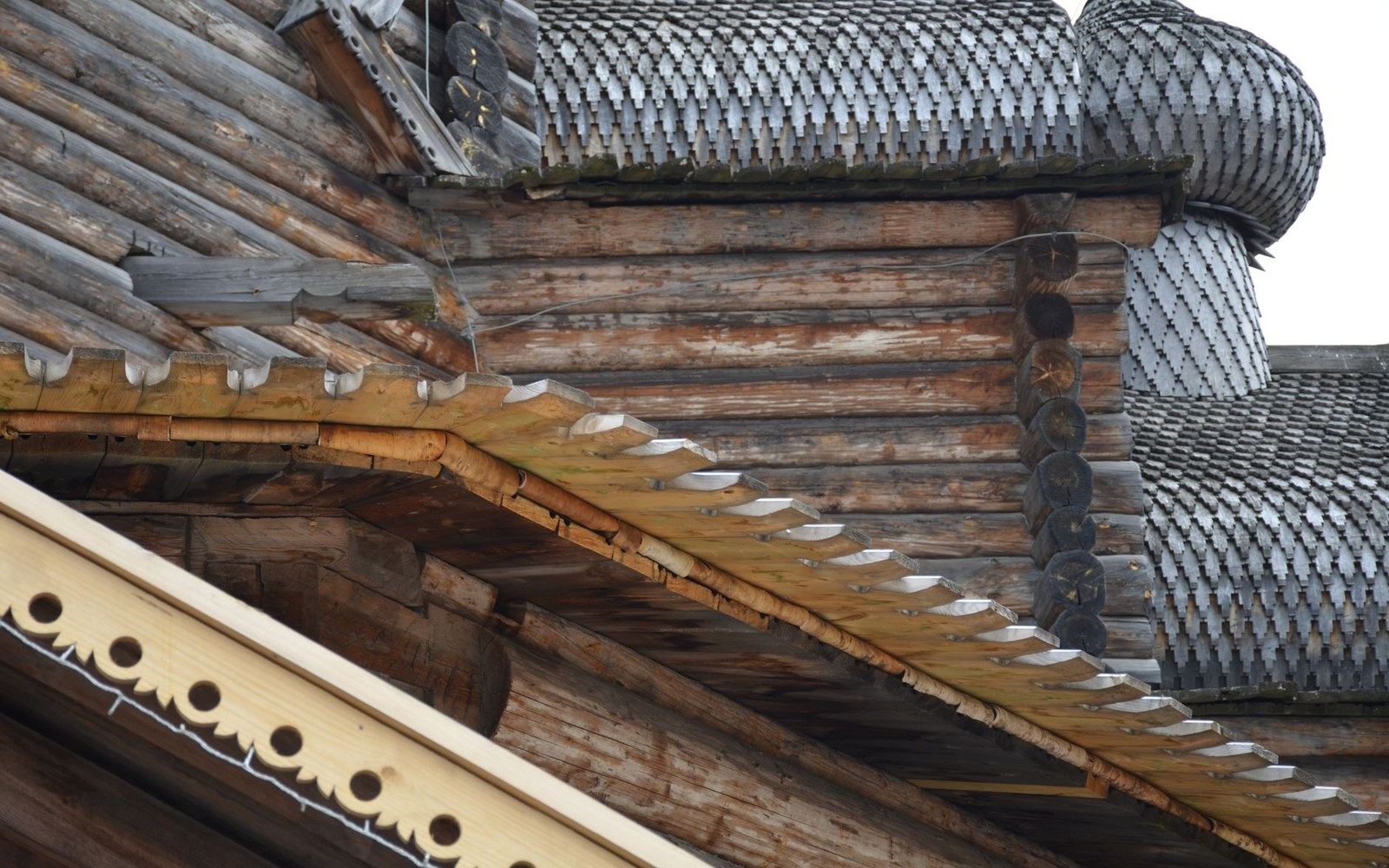
The Podlaskie Museum in Białystok holds collections covering the region's archaeology, ethnography, and history, including material on the multiconfessional character of the area — Orthodox, Catholic, Jewish, and Muslim communities occupying the same territory across several centuries. For anyone approaching Zabłudów through its regional context, the museum's ethnographic holdings document precisely the kind of timber vernacular that produced the synagogue: log-built houses, carved woodwork, and the material culture of Podlaskie agriculture that persisted into the twentieth century.
One of Białystok's most specific claims on wider intellectual history is the origin of Esperanto. Ludwik Lazarus Zamenhof, who published the first Esperanto grammar in Warsaw in 1887, was born in Białystok in 1859 and grew up watching the city's Polish, Russian, Yiddish, and German speakers fail to communicate across language lines. Zamenhof later traced that frustration to his Białystok childhood, making the city's multilingualism the commonly cited origin point of the constructed language. Zamenhof's birthplace at ulica Zielona 6 carries a commemorative plaque; the house itself no longer stands.
What Surrounds the City
East of Białystok, the Białowieża Forest — Puszcza Białowieska — covers roughly 1,500 square kilometres straddling the Polish–Belarusian border. It is one of the last and largest remnants of the primeval lowland forest that once stretched across the European plain. The Polish portion is a UNESCO World Heritage Site and a national park; the forest is most widely known for the European bison reintroduced there after the species' extinction in the wild in the early twentieth century. The forest's scale and ecological continuity are unusual enough in central Europe to make it a reference point for the region's character — this is a landscape in which the timber-building tradition was not an aesthetic choice but a straightforward response to the immediate availability of raw material.
North of Białystok, on the Supraśl River, the monastery of the Annunciation at Supraśl was founded in the late fifteenth century and became a significant centre of Orthodox religious life in the region. The monastery church, a late-Gothic and Byzantine hybrid, was destroyed during the Second World War and reconstructed in the decades that followed. The monastery complex now includes the Podlaskie Museum's icon collection, housed in the Pałac Archimandrytów (the Archimandrite's Palace), which holds one of the more substantial regional collections of Orthodox sacred art in Poland.
East of Białystok, near the Belarusian border and relevant to any account of the region's religious plurality, are two surviving timber mosques serving Poland's Tatar community. The mosque at Kruszyniany, built in the early eighteenth century, is among the oldest surviving wooden mosques in Europe; the mosque at Bohoniki, of similar date, serves a congregation whose ancestry traces to Tatar cavalry settled in the region by Jan III Sobieski in the late seventeenth century. Both buildings are small, log-built, and covered with wooden shingle roofs — structurally continuous with the regional timber tradition that produced the Orthodox churches and the Zabłudów synagogue itself. The fact that three distinct religious communities — Jewish, Orthodox Christian, and Muslim — independently arrived at the same structural solution using the same local material is among the most architecturally telling facts about Podlaskie's building culture.
Zabłudów stands inside this frame: close enough to Białystok to draw on its commercial and administrative life, close enough to the forest to be built from it, and surrounded by a density of minority religious architecture that makes its own synagogue legible not as an exception but as an instance of a regional norm.