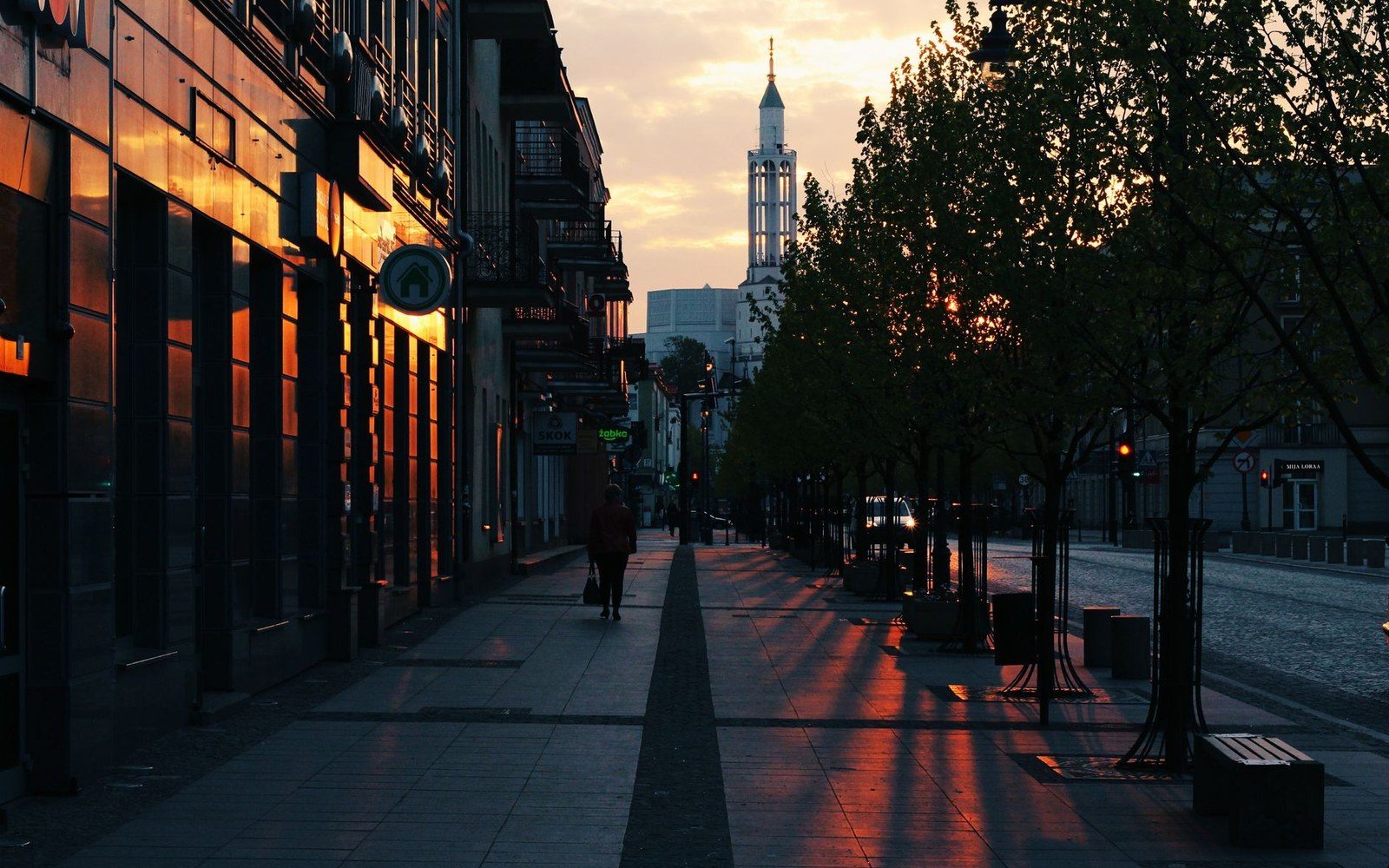
A town by its numbers
It is a small town — the Polish term miasto technically applies, though its population of around 2,500 places it at the lower end of what that designation implies. The surrounding gmina (municipality) takes in a considerably wider area of agricultural land, forest edge, and scattered villages, with a combined population that approaches 7,000 across both urban and rural areas.
Administratively, Zabłudów belongs to Białystok County within Podlaskie voivodeship, the high-level administrative province that occupies Poland's northeastern corner. Podlaskie is one of the least densely populated voivodeships in the country, characterised by low-intensity farming, substantial forest cover including the eastern extent of Białowieża Forest, and a demographic composition that distinguishes it from most of central Poland. The voivodeship contains one of Poland's legally recognised national minorities: the Belarusian community, concentrated in the eastern districts, which retains its own schools, Orthodox parishes, and cultural institutions. The 2011 national census recorded Belarusian as a declared national identity for a notable share of Podlaskie residents, a figure that has no equivalent anywhere else in the country.
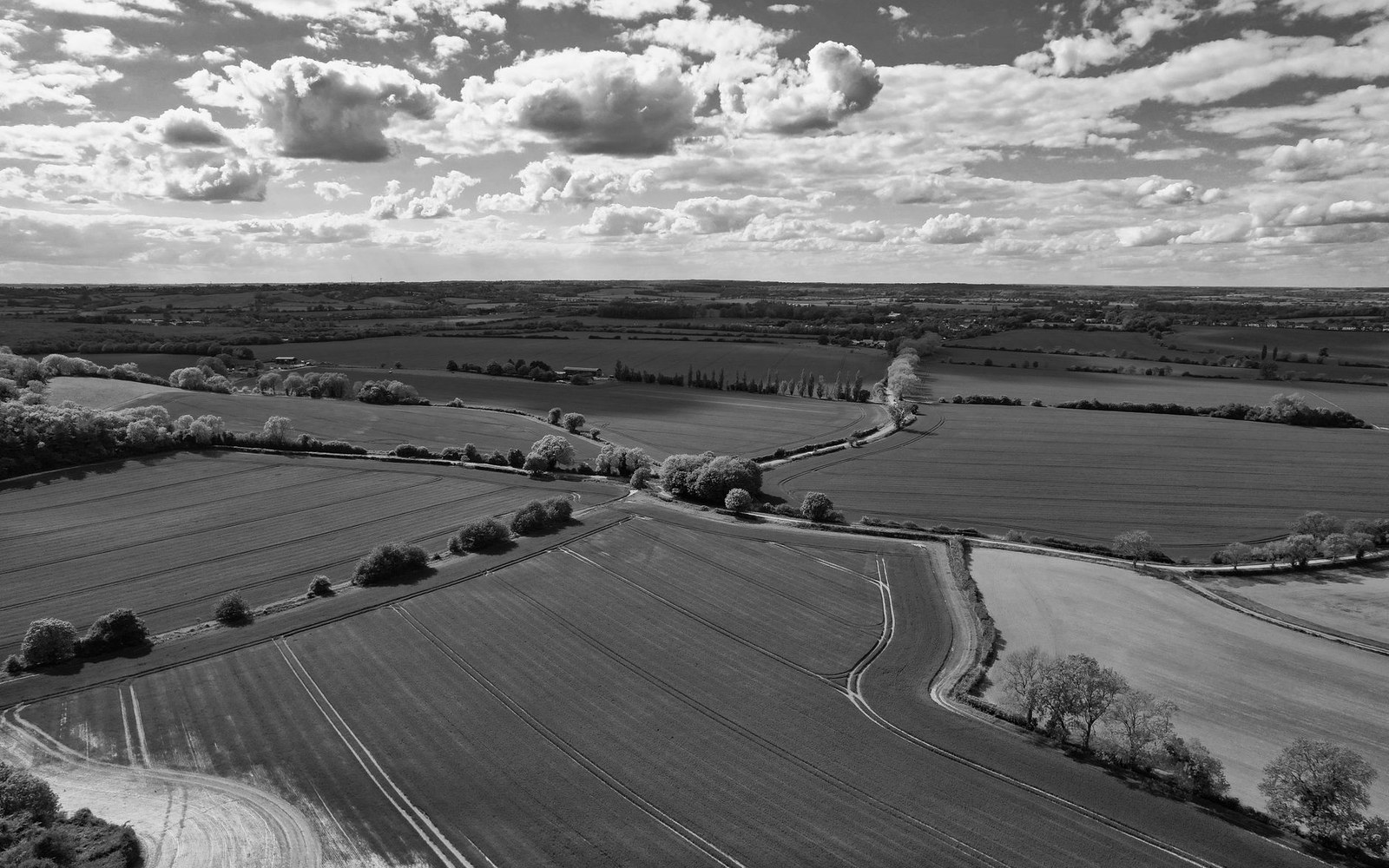
Zabłudów itself sits in the eastern part of the voivodeship, within easy reach of Białystok and closer to it than to the Belarusian-minority heartland further east. The town functions today primarily as a residential and service settlement within the Białystok commuter belt. Its built environment is predominantly post-war construction, the result of losses sustained during the Second World War and subsequent decades of standardised rebuilding.
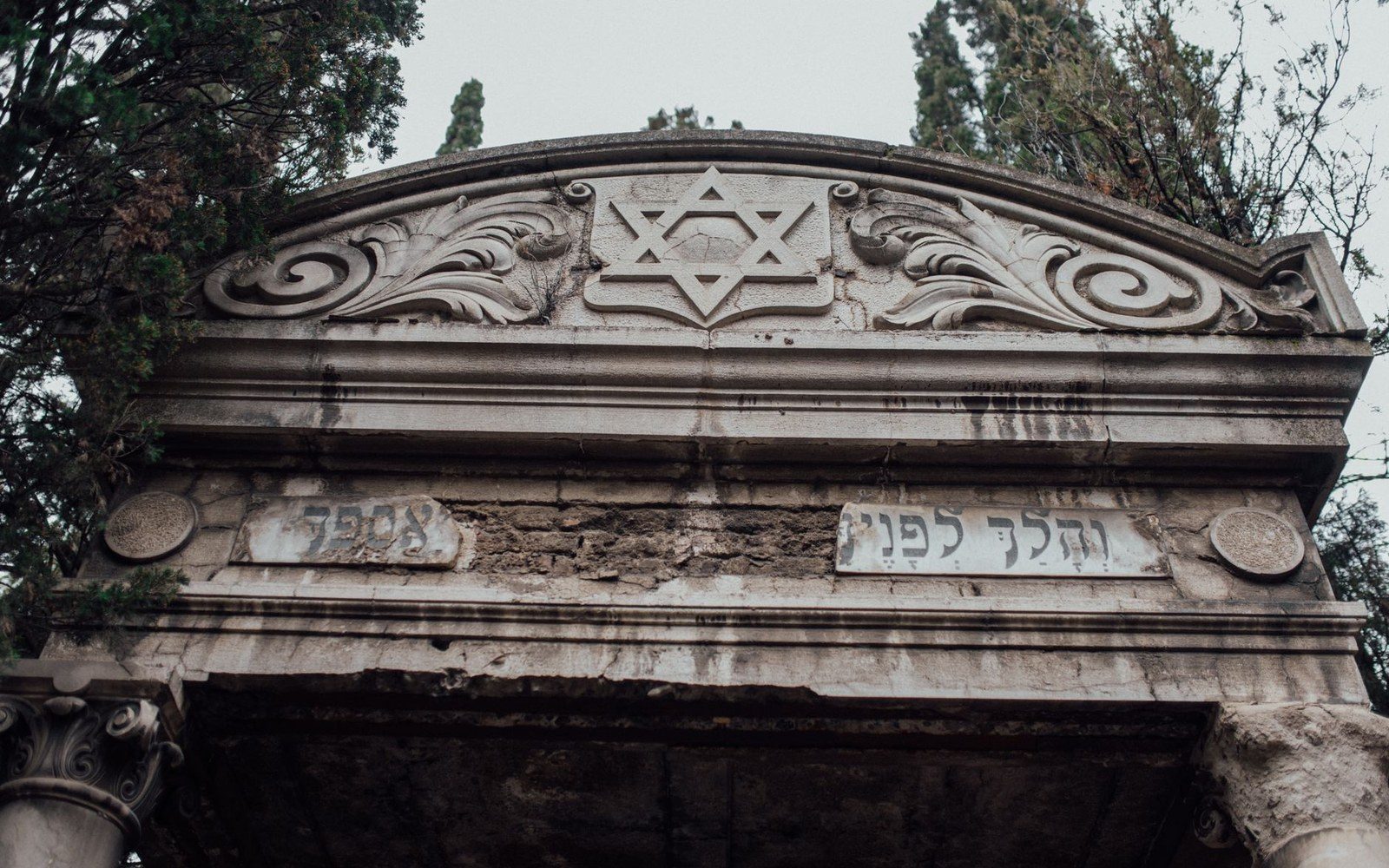
The physical location is flat, characteristic of the Podlaskie lowland: a modest market square, a road grid, the Orthodox Church of the Dormition as the most substantial surviving pre-war structure. The Jewish cemetery on the edge of town remains, as do the carved matzevot (stone grave markers) that document a community once large enough to have required a purpose-built wooden synagogue of considerable architectural ambition. The synagogue is gone. What Zabłudów contains now is what it contains: a small Polish town on a main road, with a population that has been roughly stable for several decades.