The argument is about evidence, not atmosphere
It was methodological. A joint cut by a machine mill is dimensionally precise in a way no seventeenth-century craftsman's hand tool could match. That difference, the Browns argued, is not a flaw to be corrected but a fact to be reproduced: the tolerances, the surface texture, and the slight variations in a hand-cut joint are part of what the original builders solved for when they designed the structure around them.
The distinction matters because timber joinery is not passive. A mortise-and-tenon or a notched-corner connection distributes load across the contact surfaces, and those surfaces behave according to how they were formed. A sawn face is flat and slightly compressed; an adze-worked face is faceted, with micro-ridges that compress and seat under load in a way a milled surface does not replicate. Choosing the hand tool is therefore not a reconstruction of appearance — it is a reconstruction of structural behaviour.

What the tools revealed
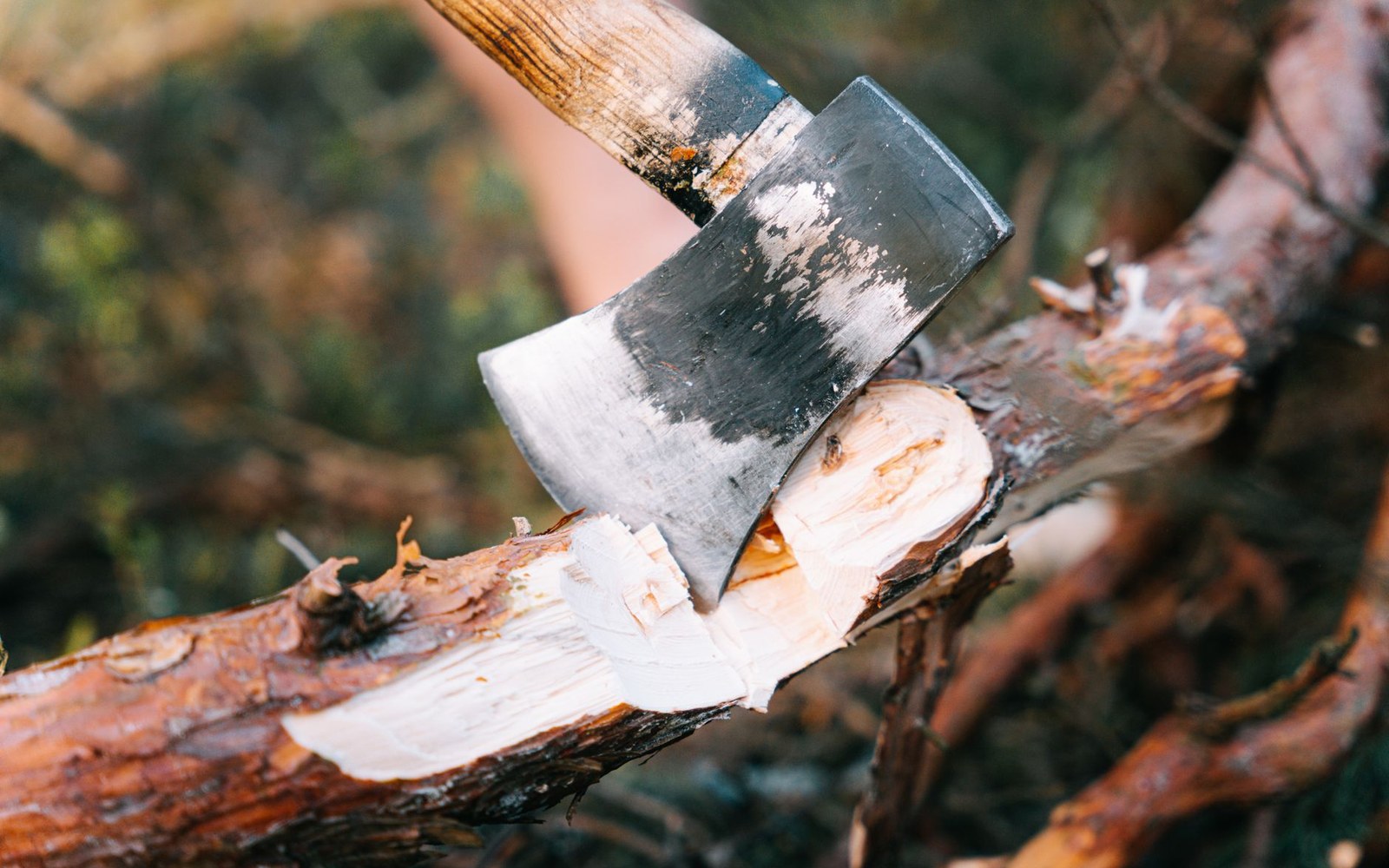
The primary tools at the Gwoździec reconstruction were axes, adzes, and hand-operated augers. The adze — a curved blade set at a right angle to the handle — was used to finish timber faces after rough shaping with the axe, a sequence visible in the tool marks preserved in the surviving photographic record of the original building and in comparative examples from the regional timber tradition. Working the joints by hand produced a secondary body of evidence: the hand tools kept exposing how the original constructors had thought about tolerance.
At Gwoździec, the roof structure rises through multiple polygonal tiers, each requiring compound-angled cuts where members meet at geometries that a simple rule-and-square cannot resolve in advance. Cutting those joints by hand forced each student and craftsperson on the project to confront the same problem the original carpenters had faced: a cut that is slightly wide or slightly short cannot be re-milled, it must be corrected in the same medium, with the same tool. The process of correction — paring, testing, re-paring — is recorded in the final surface in ways that a milled joint erases. That record, the Browns maintained, is information.
The project also used wooden mallets and hand-forged tools sourced to match period types where documentation permitted. This was not reenactment for its own sake. The physical resistance of the material under a hand tool differs from its behaviour under a powered blade, and the person cutting the joint perceives that resistance directly. Errors caught through feel rather than measurement replicate the feedback loop the original builders relied on, and understanding that loop was part of what Handshouse Studio set out to teach.
The reconstruction as research method
The Gwoździec ceiling and roof structure was reconstructed twice: first as a working research exercise in the United States, then as the permanent installation now displayed at the POLIN Museum of the History of Polish Jews in Warsaw. That sequence — build it to understand it, then build it to keep it — reflects the broader Handshouse argument: that making is a form of reading, and that a reconstruction carried out with period-appropriate tools generates hypotheses about the original that a survey drawing alone cannot produce.
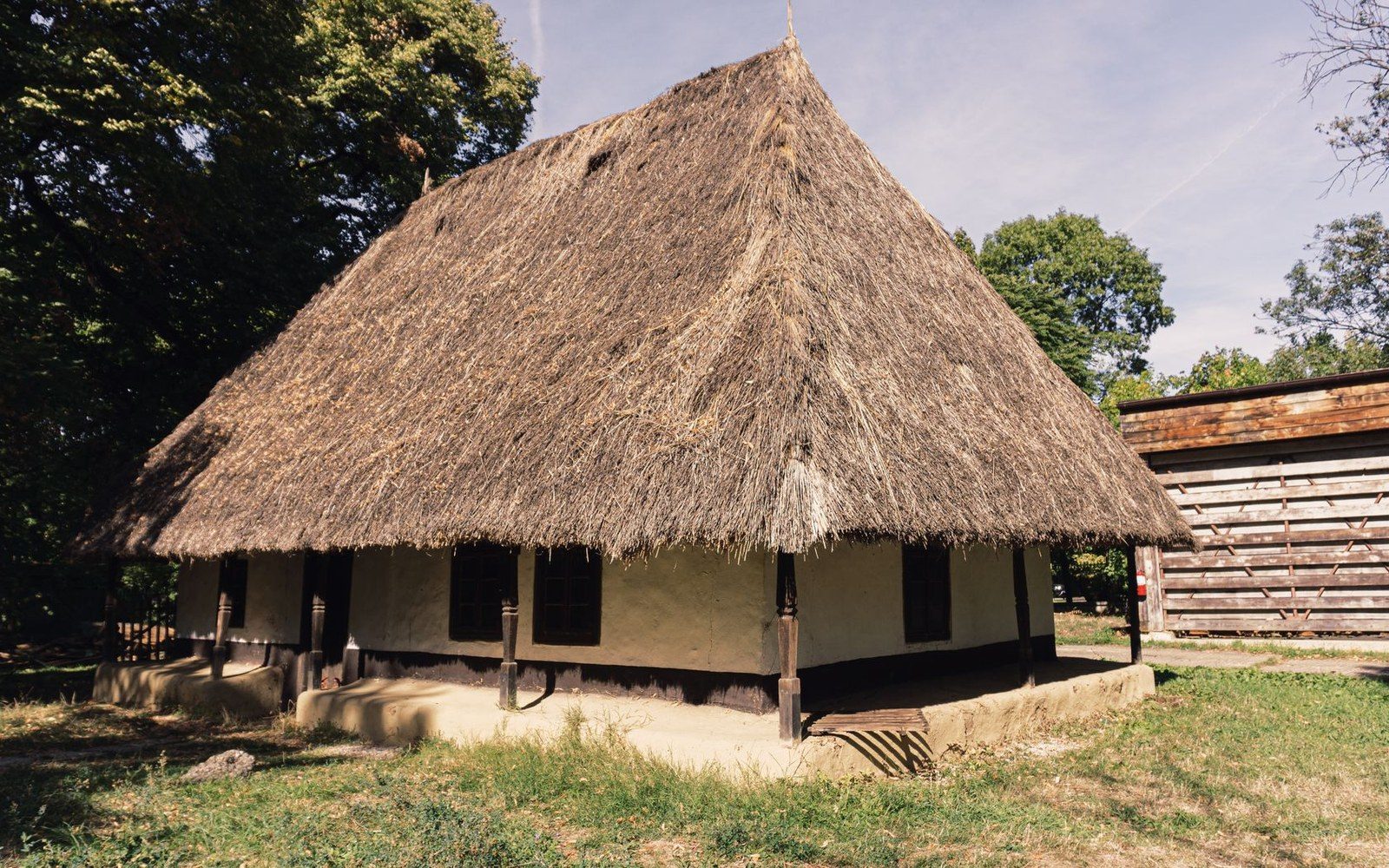
The survey drawings — produced by Warsaw University of Technology students in the 1920s and held across several institutional archives — record dimensions and geometry. They do not record the sequence of decisions, the order of assembly, or the tolerances the builders assumed. Cutting the joints by hand, and encountering the same constraints the original carpenters encountered, begins to answer those questions. At Sanok, where the Museum of Folk Architecture holds translocated structures built in the same notched-corner log tradition, that kind of procedural knowledge sits alongside the physical evidence of the buildings themselves.
The hand-cut joint, in this framework, is not a historical gesture. It is a research instrument.