Five institutions, five kinds of record
What remains of it is paper: photographs, survey drawings, administrative registers, community records. Those materials are scattered across five institutions on three continents, each holding a different layer of the documentary record. Together they constitute the archive of a vanished building and a vanished community.
What each institution holds
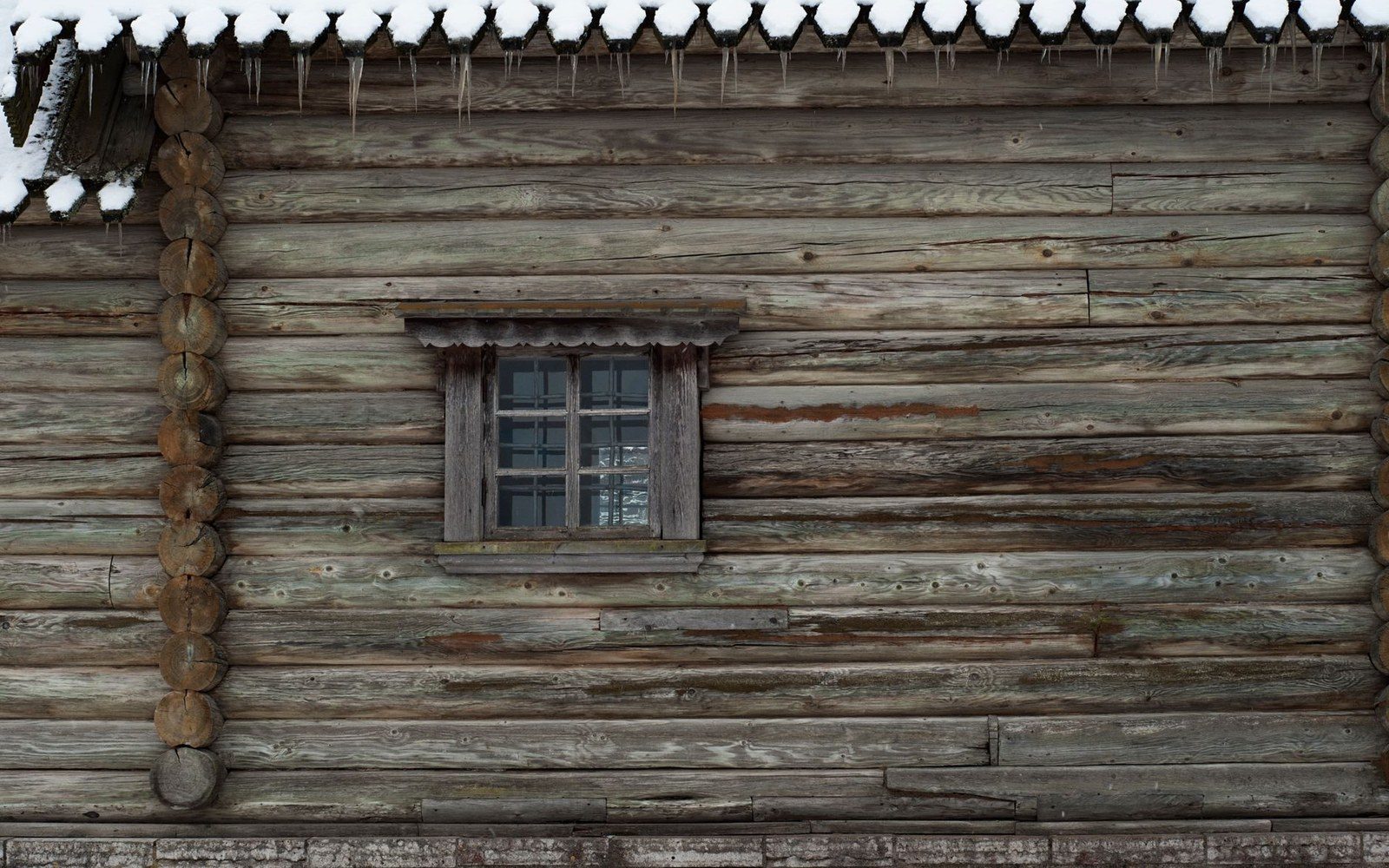
The YIVO Institute for Jewish Research, founded in Vilna in 1925 and now based in New York, holds one of the most significant photographic records of pre-war Jewish Poland. Its Zabłudów holdings include exterior and interior photographs of the synagogue taken before the building's destruction in 1941 — images that show the roof silhouette, the entrance portal, and aspects of the interior that the 1920s measured survey drawings do not fully capture. Where a drawn elevation records geometry, a photograph records surface: weathering patterns on the shingle roof, the texture of hewn log walls, the grain of the carved woodwork around the bimah, the raised reading platform at the centre of the prayer hall. For researchers working on the reconstruction project at the Museum of Folk Architecture in Sanok, these photographs function as evidence that scaled drawings alone cannot supply.
The Virtual Shtetl project, administered by the POLIN Museum of the History of Polish Jews in Warsaw, operates as a structured index of community-level documentation for Jewish settlements across pre-war Poland. Its Zabłudów entry aggregates references to cadastral data, community organisation records, and secondary sources describing the town's Jewish quarter. The project does not hold original documents in the archival sense; it holds indexed references to them, and in that function serves as a finding tool rather than a primary repository. Researchers using it arrive faster at the institutions that hold the originals.
Yad Vashem, the World Holocaust Remembrance Center in Jerusalem, maintains documentary holdings relevant to Zabłudów's pre-war and wartime community. Its Central Database of Shoah Victims' Names includes pages of testimony submitted for Zabłudów's Jewish population, each page a named individual. Beyond the names database, Yad Vashem holds community memorial books — the Yizkor books — submitted by survivor groups after the war. The Zabłudów Yizkor book, produced by former residents, contains written accounts of the town's layout, its communal institutions, and descriptions of the synagogue interior from memory. The material is retrospective and shaped by grief, which is not a limitation so much as a condition of the source; cross-referenced with the survey drawings and photographs, it yields details about daily use of the building that architectural records do not address.
The United States Holocaust Memorial Museum in Washington holds photographic and documentary collections relevant to the region. Its online collections include items pertaining to Jewish communities of the Białystok region, of which Zabłudów formed part. The museum's holdings are strongest on the wartime period, and the utility for architectural researchers lies chiefly in photographic documentation and in records that establish the community's structure and size before the destruction — context that frames what the synagogue served.
The Polish State Archives in Białystok holds the civil and administrative record of Zabłudów as a functioning town. Metric books, property registers, and local government documents — materials generated by the gmina, the basic municipal unit of Polish local administration — are held here in original form. For the synagogue specifically, these archives contain references to the building as property: ownership records, tax assessments, periodic administrative inventories. They are the least spectacular of the five holdings and among the most precise, because they record the building in the language of bureaucratic fact rather than memory or representation.
What the record, taken together, shows
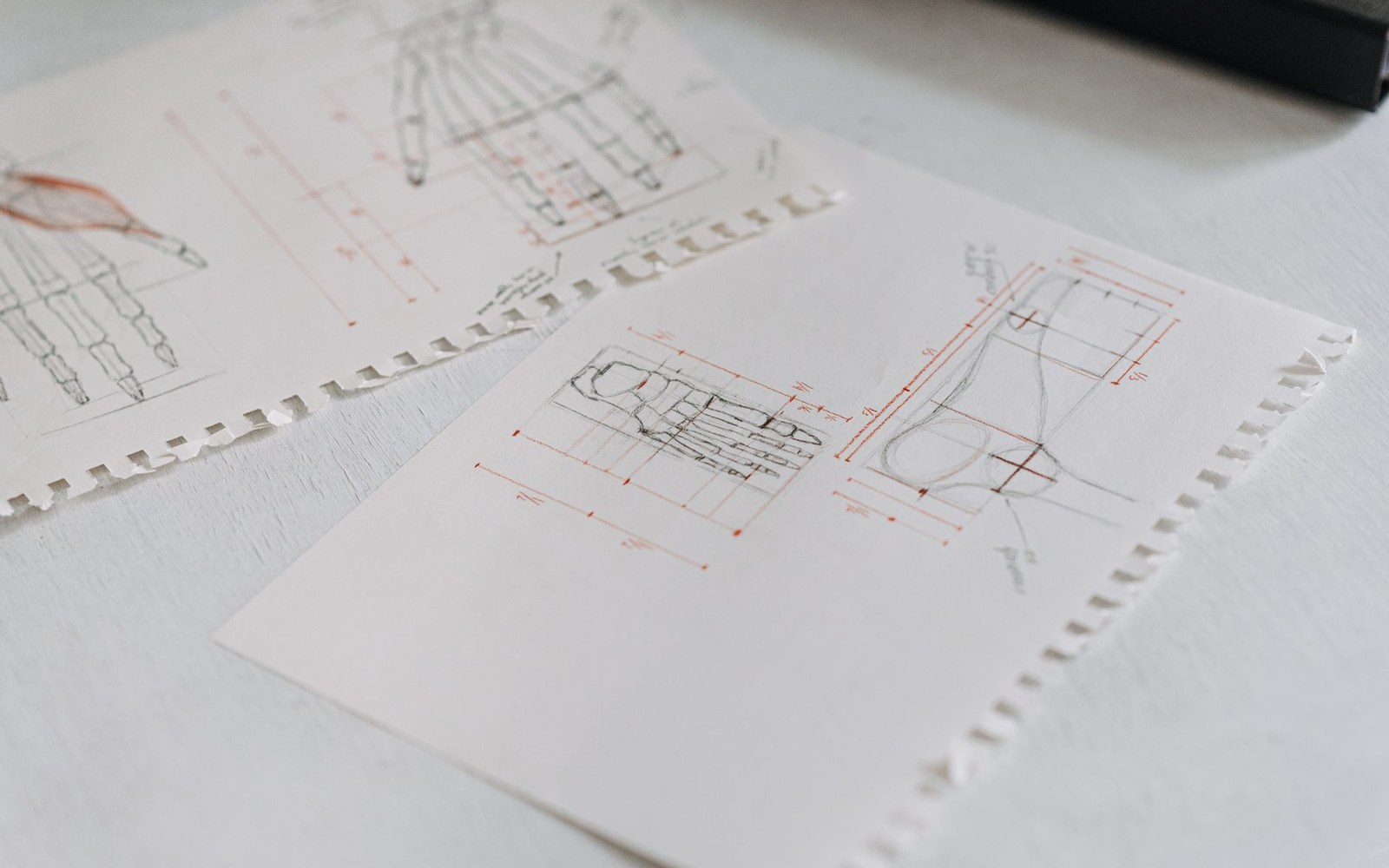
No single institution holds enough to reconstruct the synagogue without the others. The survey drawings produced by Warsaw University of Technology fieldwork students in the 1920s establish the geometry; the YIVO photographs supply surface and atmosphere; the Yizkor material at Yad Vashem supplies use and meaning; the Białystok registers supply legal existence and ownership; the POLIN Virtual Shtetl index connects them all. The documentary record of the Zabłudów synagogue is not an archive so much as a distributed file — physically separated, institutionally various, and only legible when read across all five locations at once.