What the Archives Hold
The Polish State Archives in Białystok is one of thirty-three state archive branches operating under Poland's national archival network. Its holdings for the Białystok region include civil registers — metrical books recording births, marriages, and deaths — compiled under successive administrative regimes: Russian Imperial, German wartime occupation, and interwar Polish. Zabłudów, situated in Podlaskie voivodeship roughly twenty kilometres south-east of Białystok, falls within the institution's territorial remit, and record series for the town are held across several fonds, the archival term for a body of records produced by a single authority.
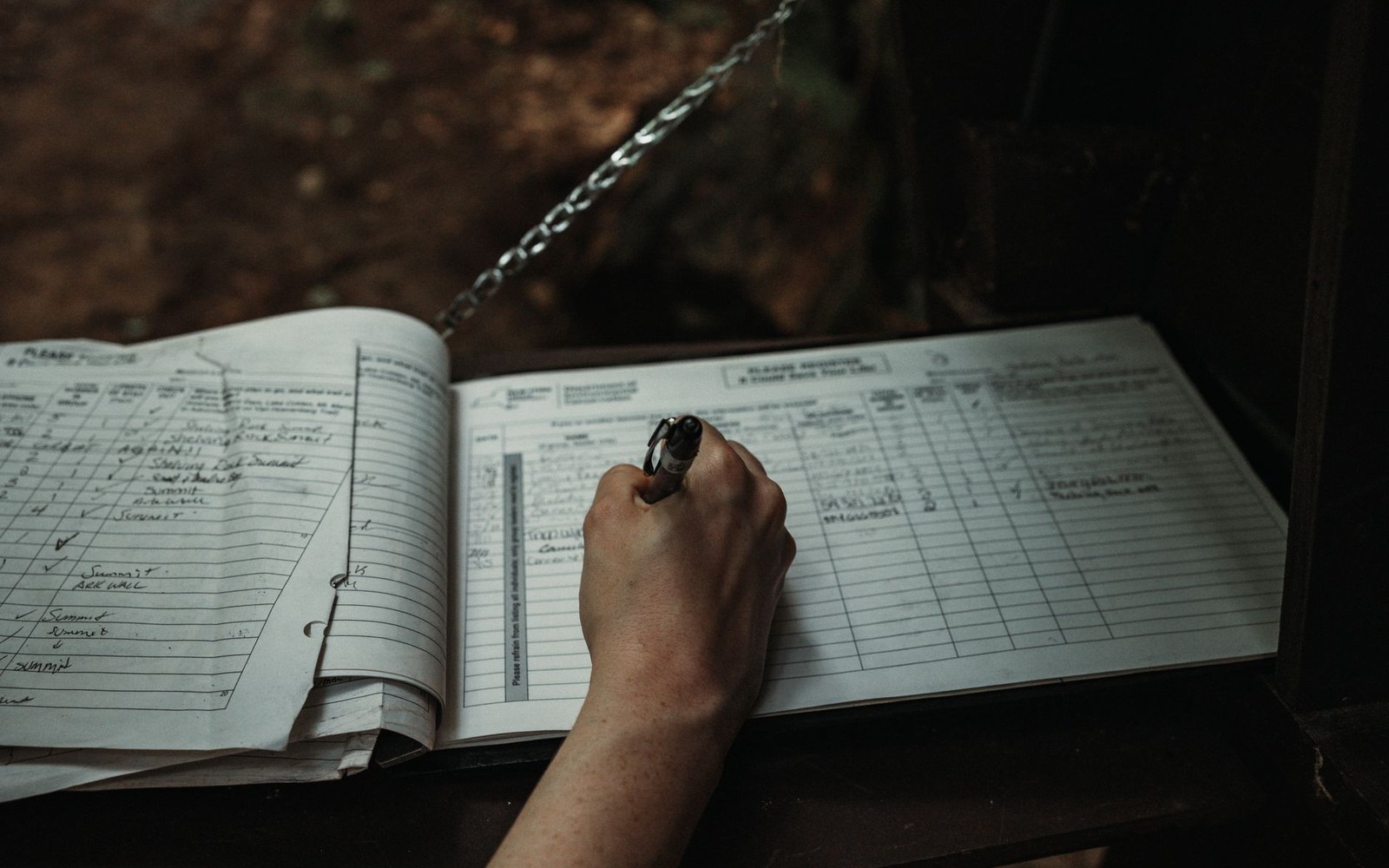
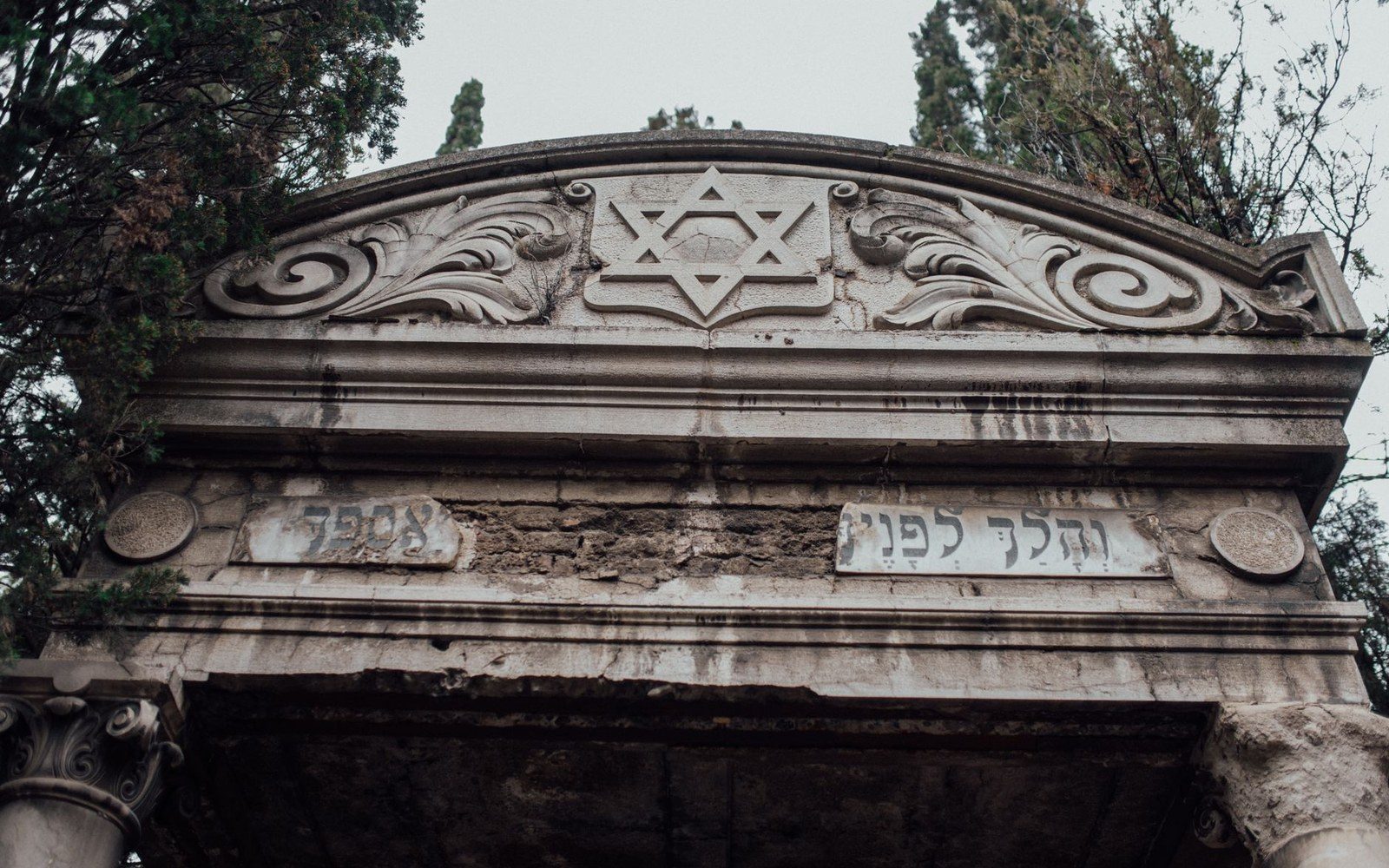
The registers themselves are physical objects as much as bureaucratic ones. Most are bound volumes, written in Russian, Polish, or German depending on the period of compilation, with individual entries set out in printed forms completed by hand. Each entry typically names the individual, the officiating registrar or religious official, and witnesses; entries for births and marriages frequently name addresses or property holdings, making them incidental records of the built environment as well as of persons. Jewish vital records for Zabłudów were kept separately by the local Jewish community administration under rules established by Russian Imperial law and later integrated into the Polish civil registration system after 1918.
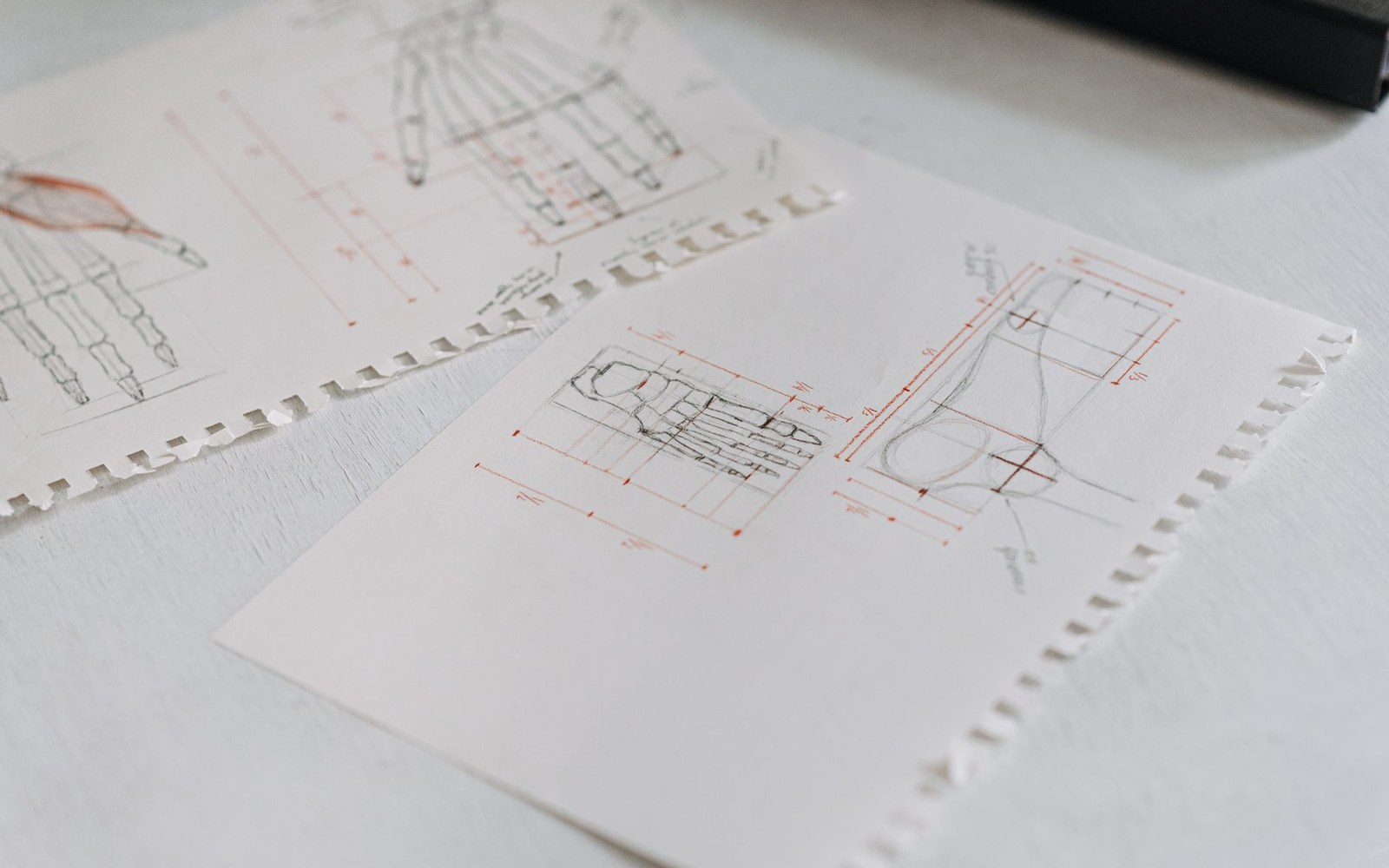
Beyond vital registers, the Białystok branch holds land and property records, administrative correspondence from the gmina (municipality) level, and cadastral material — maps and registers of plots — that document the town's spatial layout in the decades before the Second World War. These cadastral series are among the most architecturally informative documents in the collection, since they record building footprints, ownership, and sometimes construction dates.
Access follows the standard Polish state archive procedure: readers register in person or through the online ordering system administered by the Head Office of State Archives in Warsaw, and documents are produced for consultation in the reading room. Digitised portions of the metrical series are indexed through external projects; physical volumes require an on-site visit or a formal reproduction request.